
If you’re still teaching filmmaking the way it was taught in 2016, congratulations; you’re officially preparing students for a museum exhibit.
In 2026, you’re not just learning how to frame a shot. You’re learning how to collaborate with AI, direct virtual actors, build entire worlds from a prompt, and distribute content across platforms that didn’t even exist five years ago. The cameras are smarter. The audiences are smarter. And honestly? You need to be smarter, too.
Here’s exactly what a next-gen filmmaking course in 2026 should include.
If your course doesn’t teach you how to collaborate with AI tools during pre-production, it’s already behind.
In 2026, you’re expected to:
But here’s the catch: you’re not replacing creativity; you’re amplifying it.
A serious filmmaking course must teach you how to:
This is where new technology, particularly new AI classes, is pushing the boundaries of how storytellers in the film industry think about storytelling.
Green screens are old news. You should be learning LED volume production, real-time rendering, and game-engine-based filmmaking.
In 2026, virtual production is not a luxury; it’s becoming standard practice.
A next-gen course must teach you:
Camera tracking systems
Why? Because you’ll increasingly shoot scenes inside digital environments that respond instantly to camera movement.
Imagine directing a sunset and being able to move the sun in real time.
You shouldn’t just understand the -virtual production conceptually. You should physically work inside it. If a program only shows you slides instead of hands-on implementation, it’s not next-gen; it’s nostalgia.
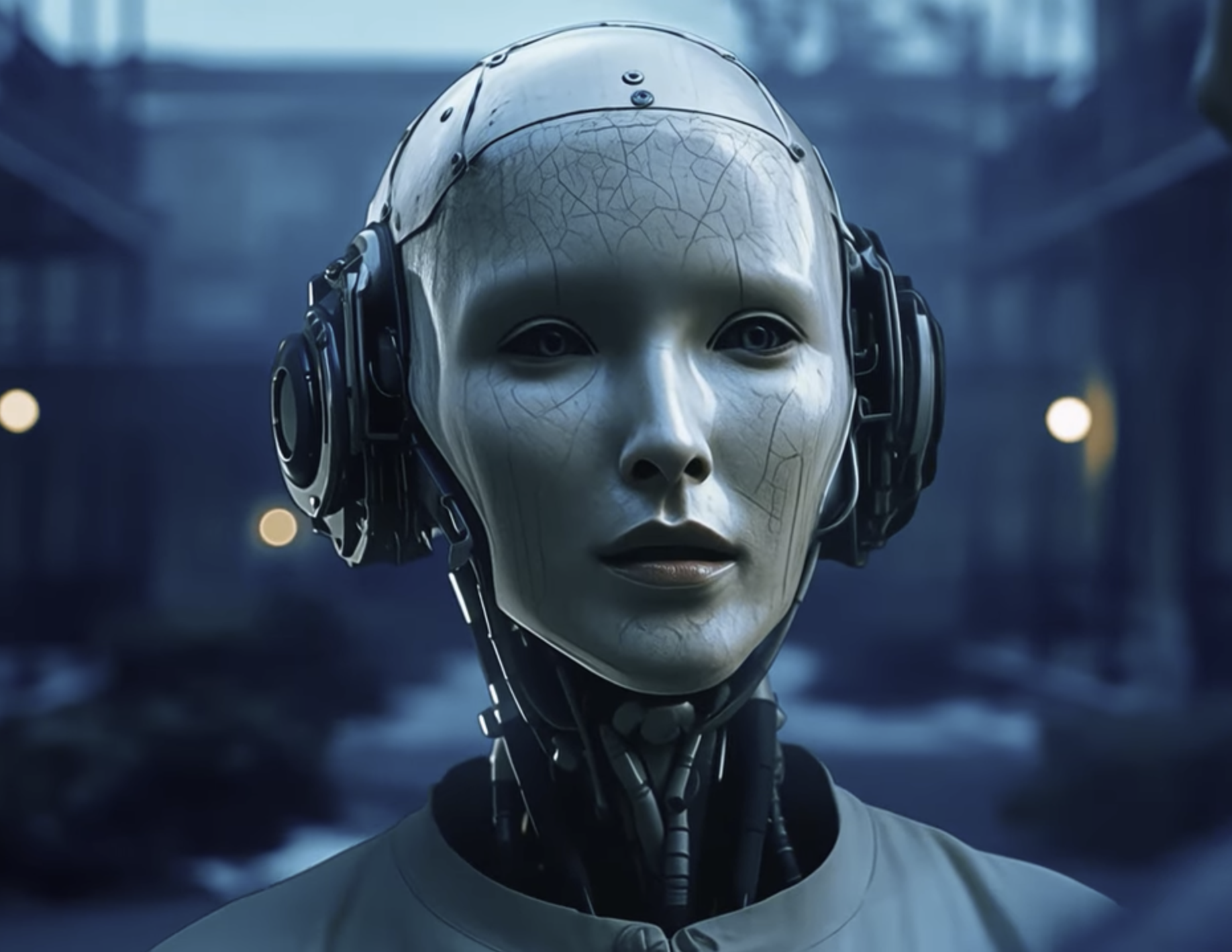
Editing in 2026 looks very different from traditional timelines.
Today’s AI-powered tools can:
But automation isn’t the point, mastery is.
You need to understand:
A strong AI filmmaking course must teach AI ethics alongside AI tools. That includes copyright, deepfake responsibility, and transparent use of synthetic media.
This is why AI classes are gaining traction, not because they’re trendy, but because the industry is demanding these skills.
If you graduate without AI post-production literacy, you’ll struggle to compete in real-world workflows.

You’re not just a filmmaker anymore. You’re a distribution strategist.
In 2026, your audience may watch your film:
A next-gen course must teach you:
This isn’t about “going viral.” It’s about understanding how AI recommendation engines work and how to position your content within them.
If your filmmaking course ignores platform strategy, it’s teaching art without survival skills.
And you don’t just want to create films. You want people to actually see them.

In 2026, you’re not waiting for permission. You’re building your own studio ecosystem.
A future-ready course should teach you:
You should graduate knowing how to:
Making movies has become much more than just being creative. It has become technical, strategic, and entrepreneurial.
And if you are serious about remaining competitive, looking into specialized AI Classes that creatives are using can help you fill the gap between traditional film education and the ever-changing landscape.
The industry won’t slow down for you. Technology won’t pause. Audiences won’t wait.
So you have two choices.
You can learn filmmaking the old way and hope the industry adjusts.
Or you can step into a course that prepares you for:
Forward-thinking creators and industry professionals, including leaders like Steven Thomas and Farman Khan, are already advocating for AI-integrated film education as the standard for 2026 and beyond.
If you’re ready to future-proof your skills and work at the intersection of creativity and technology, it’s time to choose an education that reflects 2026, not 2016.
Explore advanced AI-focused filmmaking training at Studio Arts’ AI for Filmmaking program and see how you can start building films the way the future demands:
Because the next generation of filmmakers?
That’s you.
