
You used to worry about blank canvases. Now you worry about blank prompts.
Somewhere between experimenting with a new brush set and opening yet another AI tool promising to “revolutionize creativity,” you’ve probably asked yourself: If I start learning to use AI, will my art stop looking like mine?
Here’s the truth: AI doesn’t erase identity. Unintentional use does.
You don’t lose your artistic voice by adopting AI. You lose it when you let the tool decide instead of you. The key isn’t avoiding AI; it’s integrating it strategically so your voice gets louder, sharper, and more unmistakably yours.
Let’s break down exactly how you can do that.
When you start learning to use AI, your first instinct might be to generate fully finished pieces. That’s where identity dilution often begins.
Instead, position AI as a collaborator that handles structure, speed, or technical execution while you retain authorship of concept and direction.
You decide:
AI can:
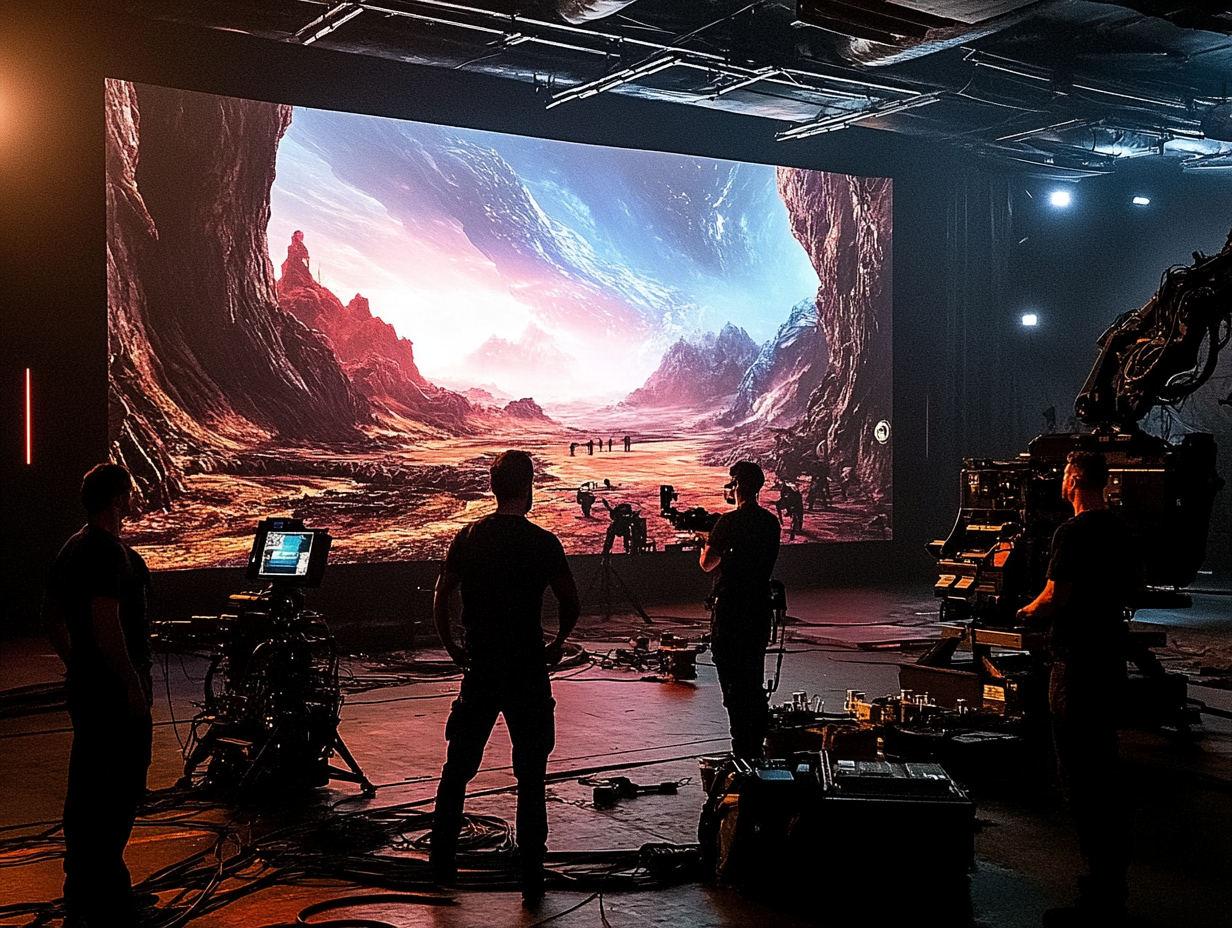
The moment you let AI dictate the entire output, your work begins to resemble everyone else using similar prompts. But when you guide the system with your worldview, aesthetic language, and decision-making, it becomes an amplifier of your voice rather than a replacement.
You remain the director. AI becomes your production assistant.
If your work has recurring themes, specific color palettes, surreal distortions, hyperreal textures, or minimalist negative space, feed that intentionally into your workflow.
Your unique visual identity likely includes:
Translate these into structured prompts and creative guidelines. Create a “style blueprint” that you use every time you integrate AI.
Instead of asking AI for something generic, you define:
This is where AI for Artists becomes powerful. You’re not asking it to invent your style. You’re teaching it to operate within your artistic universe.
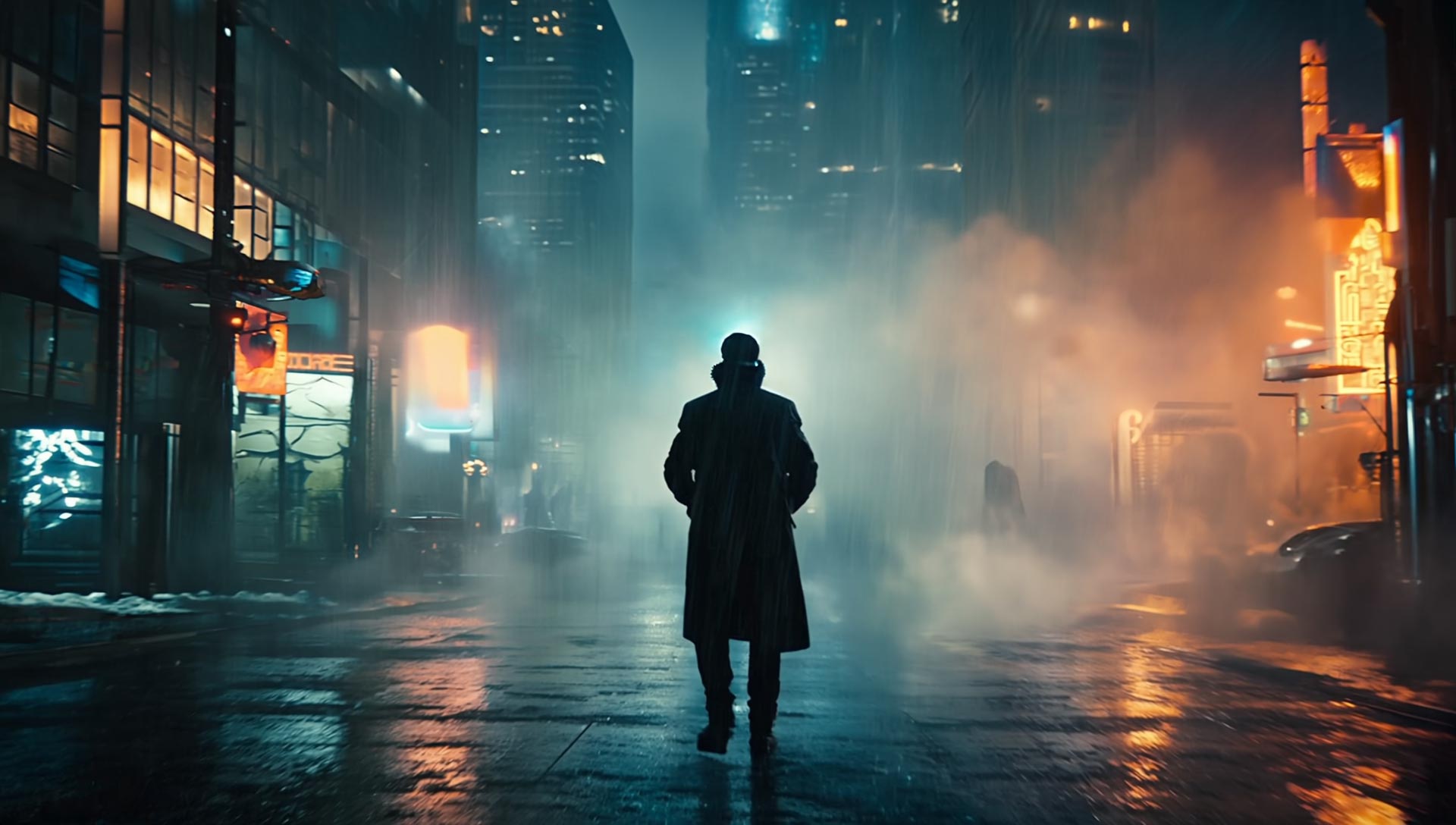
There’s a major difference between enhancing execution and outsourcing imagination.
AI to Create Videos, animations, visual sequences, or layered compositions can drastically reduce technical friction. That doesn’t mean you surrender narrative control.
Think of AI as a way to:
Your originality lives in:
AI handles scalability and technical depth. You handle meaning.
When you separate imagination from automation, you maintain authorship, and your identity remains intact.

Perfection is tempting. AI can smooth lines, balance lighting, refine symmetry, and eliminate “mistakes.”
But your imperfections are often your signature.
You might:
If you polish everything to algorithmic perfection, your work risks losing emotional authenticity.
So set creative constraints:
The more controlled imperfections you preserve, the more human your work feels and the more distinct it remains.
AI doesn’t have to sterilize your art. You simply choose where to stop optimizing.
If AI becomes your only creation method, your growth may plateau within its limitations.
To protect your identity:
Your artistic voice should evolve independently of any tool.
The stronger your internal creative compass becomes, the easier it is to integrate AI without drifting.
Learning to use AI effectively requires self-awareness. If you know your aesthetic deeply, you can bend AI to your will instead of being influenced by its default patterns.
Your originality must grow faster than your tools.
You don’t need to fear AI. You need to master it intentionally.
When you:
You turn AI into a multiplier of your uniqueness.
The future of art isn’t human versus machine. It’s human vision enhanced by intelligent tools.
If you want to grow without sacrificing your unique identity, you require structured guidance, developed technique, and a future-oriented creative base. That’s precisely where professional guidance and sophisticated artistic education come into play.
This perspective is championed by Steven Thomas and the team at Studio Arts, where artists are guided to integrate innovation while preserving their distinctive voice.
Now the real question isn’t whether AI will change your art.
It’s whether you’ll control how it does.
