
Independent filmmakers have always faced the same stubborn challenge: how to turn ambitious ideas into finished films with limited resources. Tight budgets, small crews, and time constraints often force creators to compromise on visuals, post-production quality, or storytelling scale. Now, with a wave of artificial intelligence tools entering the creative space, many filmmakers are asking an important question: Is AI a shortcut that weakens creativity, or a powerful tool that can strengthen independent filmmaking?
The confusion is understandable. AI promises faster editing, automated visual effects, smarter scripting tools, and even entire scene generation. But for many artists, the real concern isn’t the technology itself; it’s how to use it without losing creative control or authenticity. When used carelessly, AI can make projects feel generic. When used strategically, however, it can unlock production capabilities that were once impossible for small teams.
This is exactly where modern filmmaking education is evolving. Today’s creators don’t just need cameras and editing software; they need to understand how AI can support storytelling, accelerate production workflows, and expand creative possibilities without replacing human vision. Let’s explore how filmmakers can integrate AI tools intelligently while preserving artistic voice and cinematic authenticity. Keep reading.
To appreciate the impact of new filmmaking technologies, it is important to understand the traditional production barriers independent directors face.
Limited Budgets
Producing a film involves numerous expenses, equipment, lighting, sound design, visual effects, editing software, and location costs. For independent filmmakers, budget constraints often force difficult compromises in production quality.
Small Production Teams
Large productions rely on specialized teams including cinematographers, editors, VFX artists, sound engineers, and production designers. Independent directors frequently manage several of these roles themselves, increasing the workload and slowing production.
Complex Post-Production Workflows
Editing, color grading, sound mixing, and visual effects are essential to creating a professional film. However, these stages can take weeks or even months when handled manually. Because of these limitations, many independent filmmakers have historically found it difficult to compete with larger studio productions.
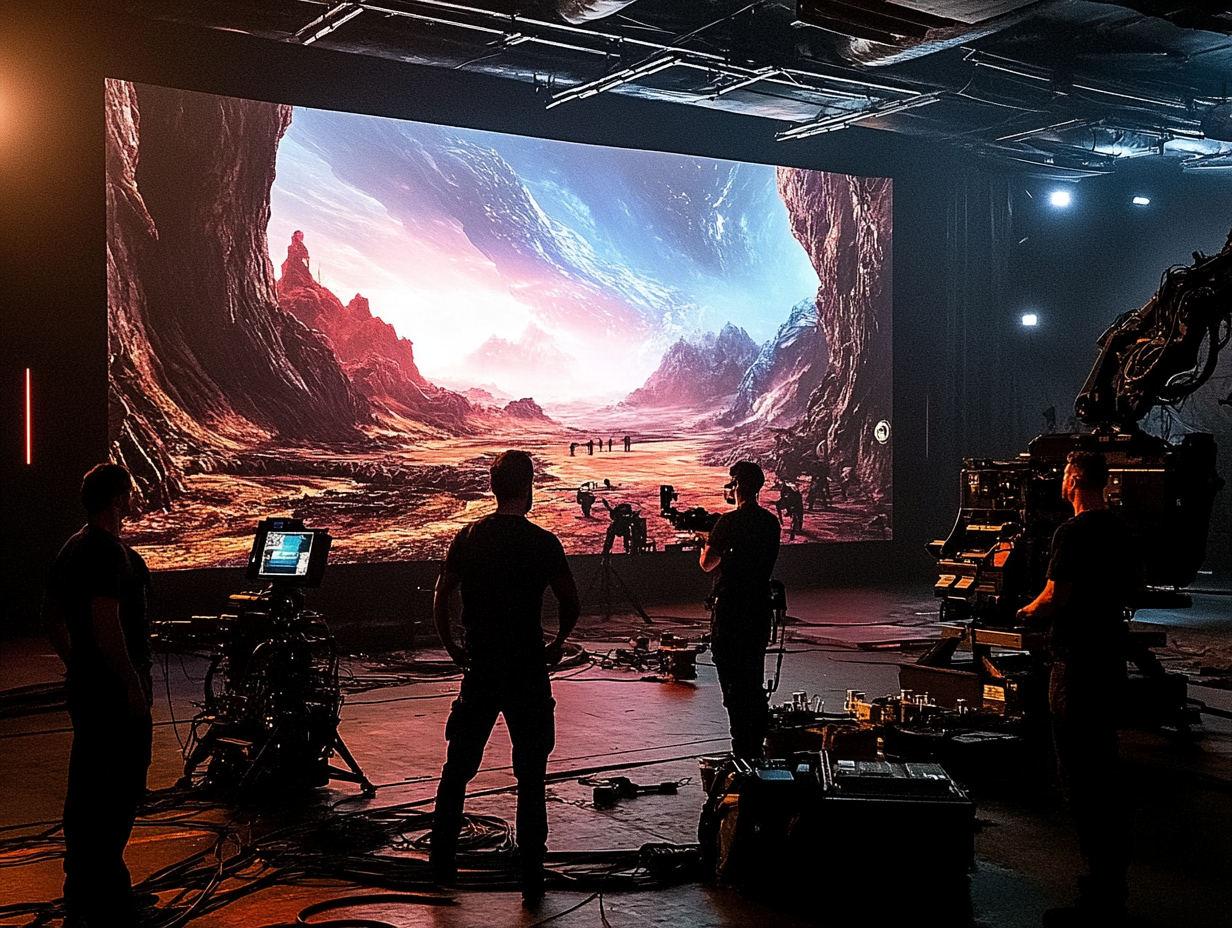
Artificial intelligence is reshaping how films are developed, produced, and finalized. Instead of replacing creativity, these tools serve as intelligent assistants that support filmmakers throughout the production process. For independent directors, this shift represents a powerful opportunity. AI tools can streamline complex workflows, automate repetitive tasks, and enhance visual storytelling, all while reducing production costs. Let’s explore how these next-generation tools are changing filmmaking.
Pre-production is one of the most important stages of filmmaking. It involves planning the narrative structure, developing shot lists, designing scenes, and organizing production schedules. AI tools are now helping filmmakers accelerate this process. Modern platforms can analyze scripts, suggest improvements in pacing or dialogue, and generate visual storyboards directly from written scenes.
Instead of spending days sketching or planning shots manually, filmmakers can quickly visualize scenes and experiment with different cinematic approaches. These capabilities allow directors to refine their storytelling before the cameras start rolling. For independent filmmakers, this means less time spent on logistics and more time dedicated to creative decision-making.
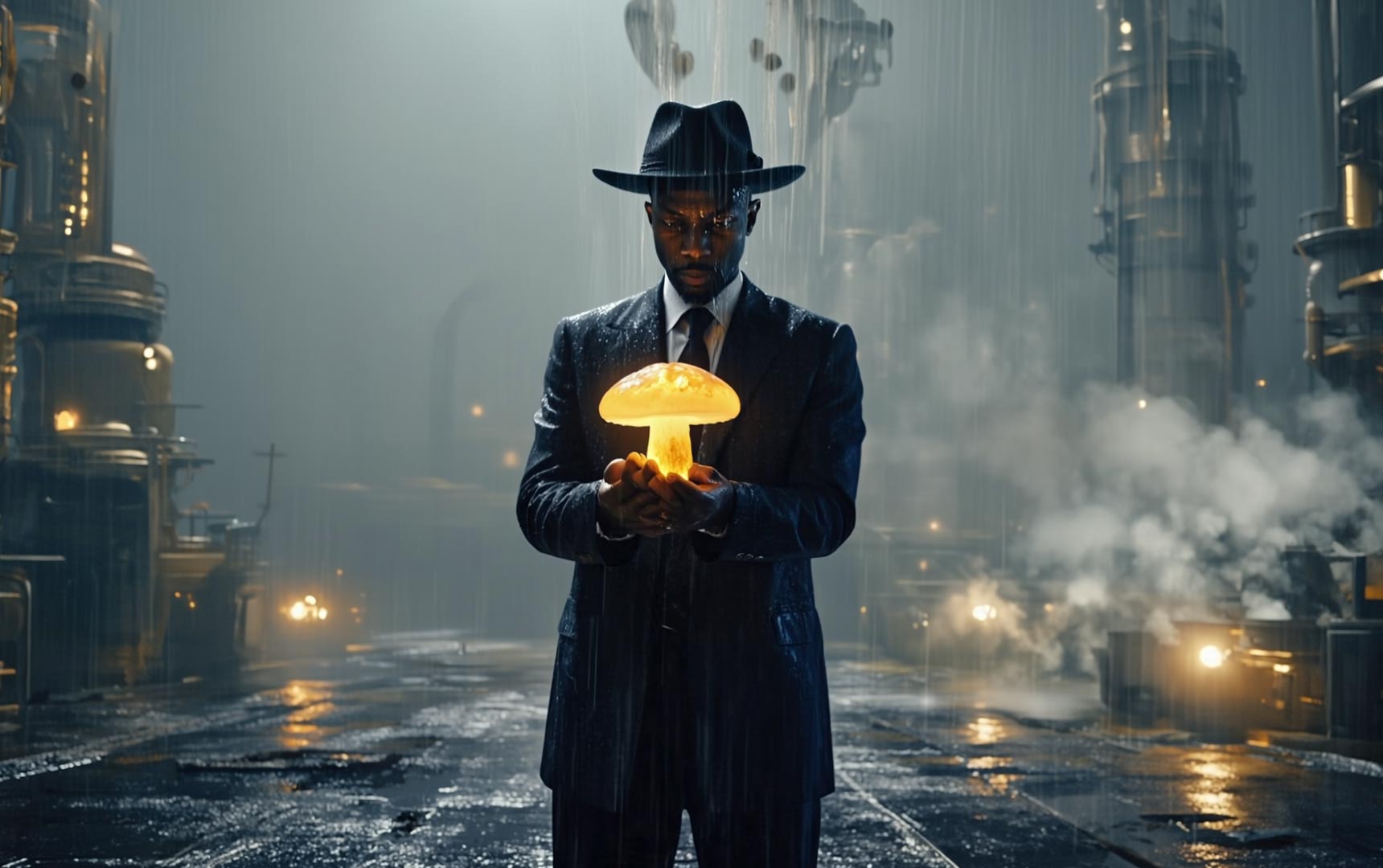
Visual effects have traditionally been one of the most expensive aspects of film production. Complex scenes involving digital environments, cinematic lighting, or visual enhancements often require large teams of VFX artists. AI-powered tools are now making these capabilities more accessible. Modern visual generation platforms can simulate environments, enhance lighting, and generate complex visual elements with far fewer resources.
This allows independent filmmakers to create cinematic visuals that previously required studio-level budgets. For example, a filmmaker can now experiment with environment design, visual mood, or digital enhancements without investing heavily in physical sets or expensive effects teams. The result is a significant expansion of creative possibilities.

The most significant impact of AI in filmmaking is not just efficiency; it is creative empowerment. When technical limitations and production costs decrease, filmmakers gain greater freedom to experiment. They can explore new storytelling techniques, test visual ideas, and iterate faster during production.
For emerging filmmakers, this opens the door to creating more ambitious projects without requiring studio backing. Independent creators can now produce visually compelling films, develop unique cinematic styles, and distribute their work globally through digital platforms. In many ways, AI is helping to democratize the filmmaking industry by giving smaller creators access to tools that were once restricted to major studios.
Despite the rapid rise of AI tools, one principle remains clear: technology does not replace storytelling. A powerful film still depends on the director’s creative vision, emotional storytelling, and ability to connect with audiences. AI can assist with technical tasks and enhance production workflows, but the artistic decisions, character development, narrative structure, and emotional impact remain entirely human. The most successful filmmakers understand how to balance technological innovation with authentic storytelling.
As next-generation filmmaking tools continue to evolve, independent filmmakers are entering a new era of opportunity. Technology is lowering production barriers, accelerating creative workflows, and allowing filmmakers to execute ambitious ideas with fewer limitations. This transformation is making the film industry more accessible to emerging creators and storytellers around the world. Independent directors who learn to integrate these tools effectively will be better positioned to produce visually impressive and emotionally compelling films.
For aspiring filmmakers and students exploring these technologies, the possibilities are expanding rapidly. In fact, one of the teachers at the program, Michael Eng, has already been gaining recognition for producing award-winning independent films using AI-driven techniques, demonstrating how innovation and storytelling can successfully work together in modern filmmaking. The message for today’s filmmakers is clear: the tools are evolving, but the power of great storytelling remains at the heart of every award-winning film.
