
Building a successful career in entertainment takes more than imagination. It requires discipline. It requires technical confidence. It also requires an understanding of how professional productions operate. Artists today must work across tools, platforms, and pipelines. They must adapt quickly to new technologies. This is where Studio Arts training programs provide real value. These programs are designed for artists who want practical learning. They focus on career-relevant skills. Instruction blends creativity with production-focused thinking. The goal is to prepare learners for the realities of the entertainment industry.
The entertainment industry evolves constantly. New tools emerge. Workflows change. Artists must keep pace. Studio Arts training programs are designed to reflect these realities. Instruction covers computer animation, generative AI, production design, VFX, and virtual production. These subjects are taught with a production mindset. Learners understand how each discipline connects to others. Courses focus on applied learning. Theory supports practice. Students work on projects that reflect real-world challenges. This approach helps artists think critically. It also prepares them for collaborative environments where adaptability matters.
Professional tools define how entertainment content is created. Artists must understand them deeply. Studio Arts training programs prioritize hands-on experience with industry-standard software.
This structure helps learners build confidence. Skills are practiced repeatedly. Feedback focuses on precision and intent. Students gain experience that translates directly to production environments.

Real-time technology is transforming entertainment production. Virtual production is now common across film, television, and interactive media. Studio Arts training programs include dedicated Unreal Engine instruction as an Authorized Training Center. This designation reflects long-standing experience in professional education. Training content is aligned with current Unreal Engine workflows. Learners explore real-time rendering and virtual environments. They gain exposure to cinematic pipelines. Instruction is kept current as the engine evolves. This ensures relevance. Graduates leave with practical Unreal Engine skills that align with industry demand.
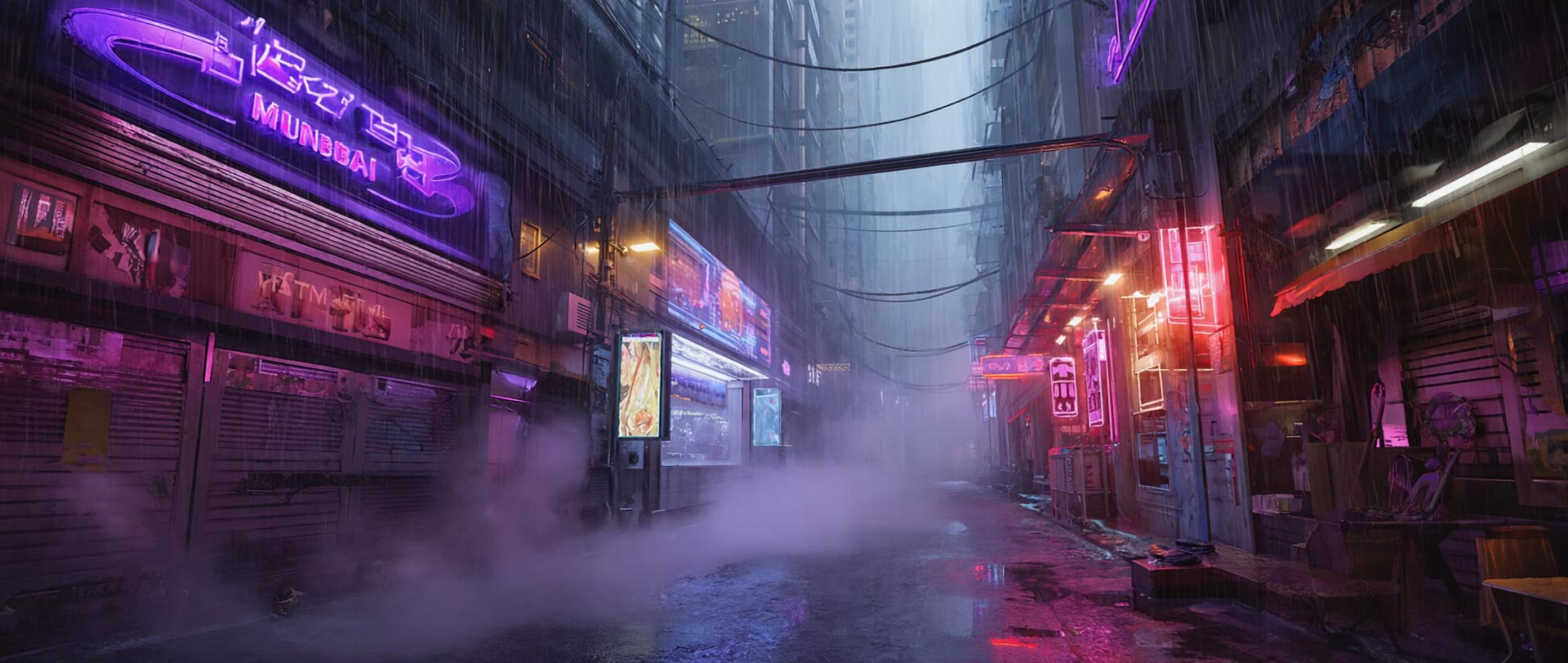
Educational quality depends on structure and accountability. Regulation helps protect learners. Studio Arts training programs operate under state licensing and approval standards.
This structure creates a professional learning environment. Students understand expectations from the start. They know their education meets recognized standards. This adds credibility to their training and confidence in their progress.
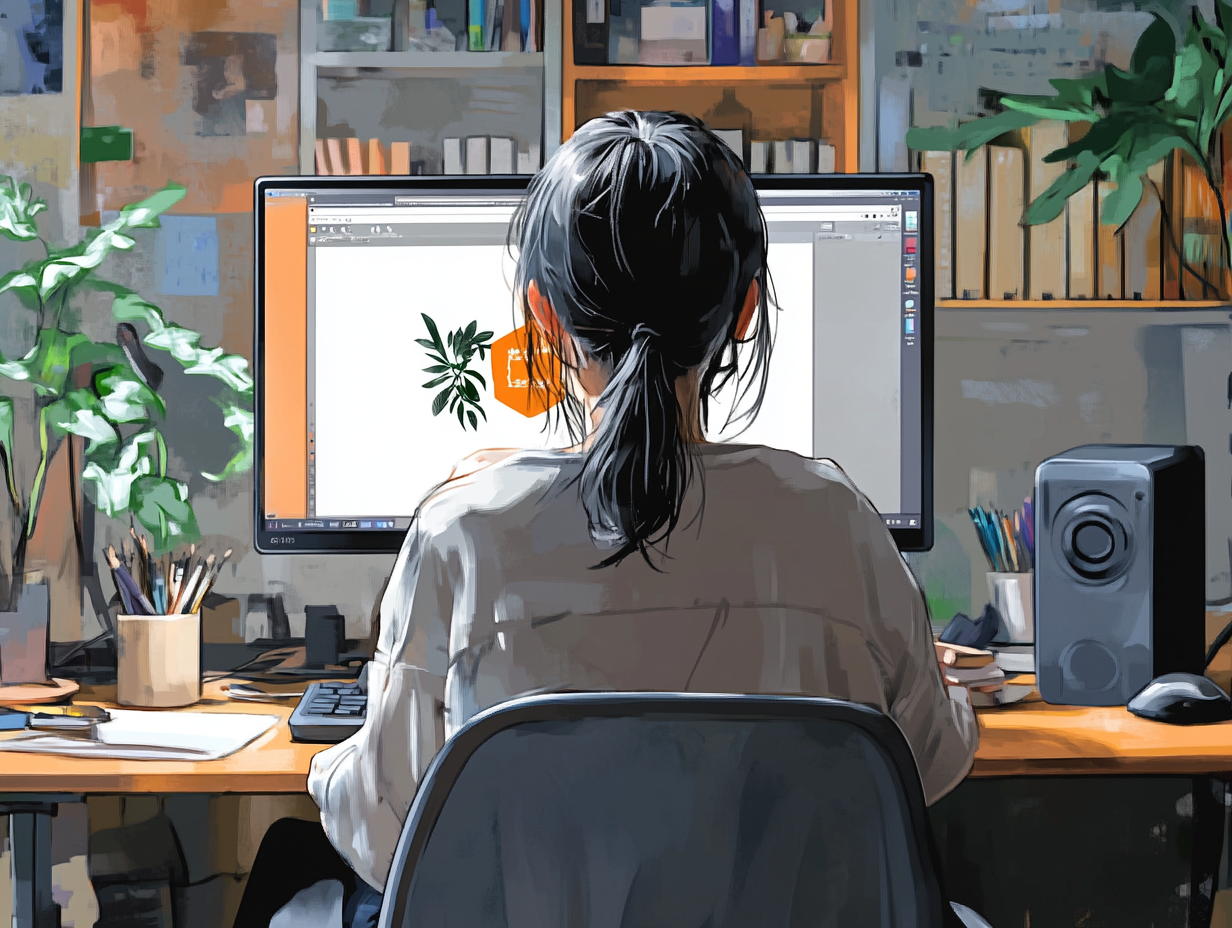
Artistic growth thrives in community. Collaboration strengthens skills. Studio Arts training programs emphasize peer engagement and mentorship. Learners work alongside other creatives. They share feedback and ideas. Instructors bring real industry experience into the classroom. Critiques are constructive and practical. Students are encouraged to think like professionals. Collaboration reflects studio culture. This helps artists develop communication skills. It also prepares them for team-based production settings. The creative community often continues beyond the classroom. These relationships support long-term career growth.
A strong foundation is essential for long-term success in entertainment. Artists need more than talent alone. They need focused training and industry awareness. Studio Arts training programs offer a structured approach to creative education. Through hands-on learning, Unreal Engine authorization, licensed operations, and a supportive creative community, learners gain practical skills and professional confidence. The programs are designed for real-world challenges. They help artists transition from learning to working. For creatives seeking meaningful and career-focused education, this approach offers lasting value.
